2026-09-03 ·
What Affects Deep Cleaning Costs in Mumbai Neighborhoods
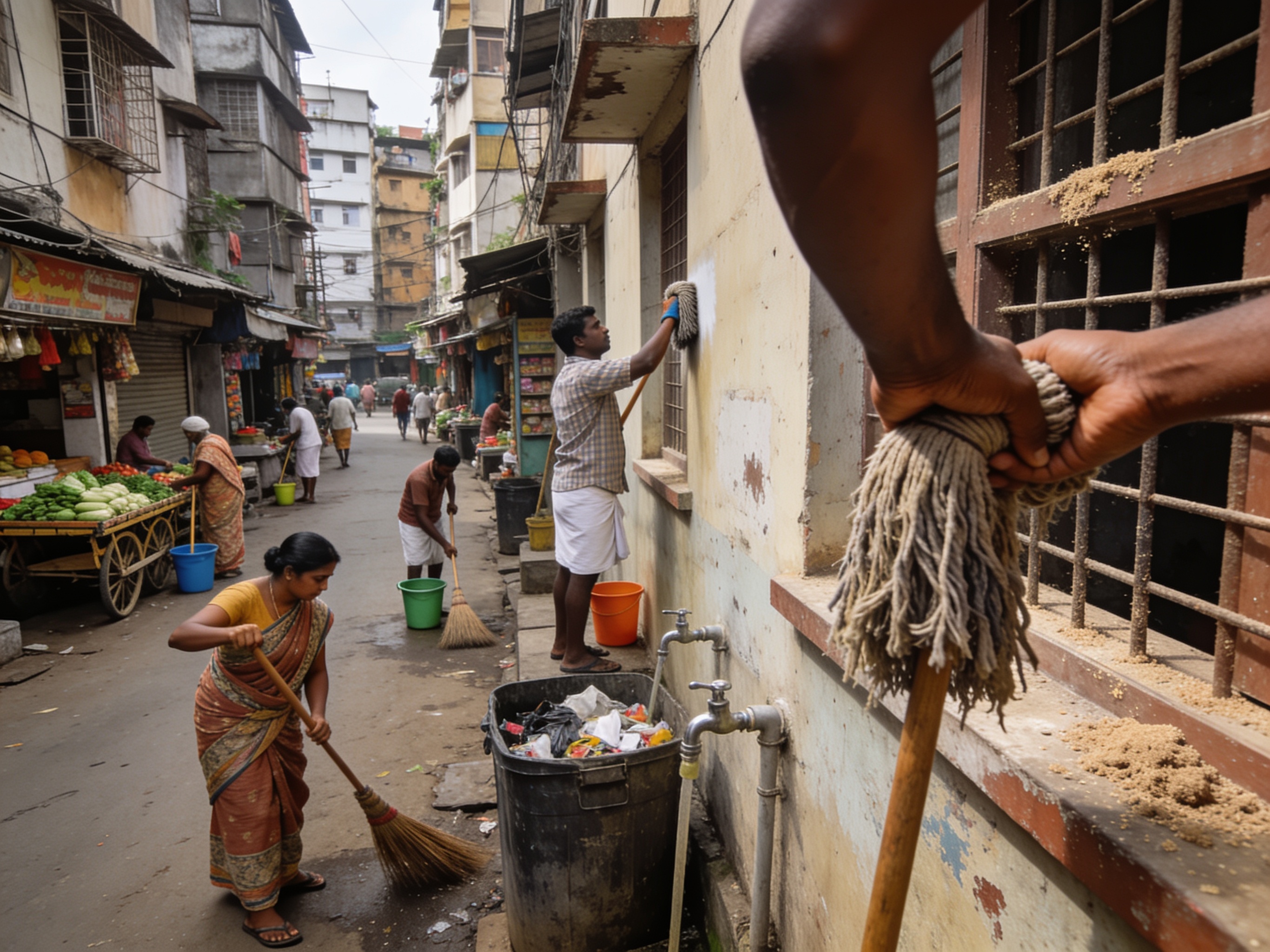
Deep cleaning costs in Mumbai neighborhoods typically range based on building age, monsoon exposure, and layout complexity rather than a single flat rate. Older structures in Bhuleshwar and Marine Lines require more labor for ingrained grime in narrow passages and high ceilings, while newer towers in Worli or Bandra West often need specialized equipment for large glass surfaces and modern finishes. These variations arise because Mumbai's housing stock spans from 19th-century masonry to post-2000 concrete frames, each reacting differently to humidity and foot traffic.
Building Age and Neighborhood Density
Older buildings concentrated around Bhuleshwar and Bhendi Bazaar feature narrow corridors, tiled floors laid decades ago, and limited ventilation that traps cooking residues and street dust. Teams must allocate extra time to dismantle and clean behind fixed cabinets or reach high ledges without modern scaffolding, increasing hours on site. In contrast, post-1990s apartments in Andheri West or Powai have open-plan layouts and sealed surfaces that respond faster to standard protocols. Density also matters: chawl-style buildings share walls that transmit odors and require coordinated scheduling to avoid disturbing neighbors during daytime slots. These structural realities explain why jobs in historic pockets take longer than equivalent square footage in newer suburbs, where elevators and wider doorways speed equipment movement.
Impact of Mumbai's Monsoon Climate
Heavy June-to-September rains push humidity levels above 85 percent, allowing mold to colonize grout lines and fabric in homes near the coast or in low-lying Marine Lines. Moisture also softens accumulated dust into stubborn films on window tracks and AC vents, demanding additional drying steps before disinfection. Properties in Juhu or Malabar Hill face salt-laden air that accelerates corrosion on metal fixtures, requiring gentler yet more thorough surface work. Readers facing recurring mildew can review targeted steps in How to Remove Monsoon Mold from Mumbai Apartments. The seasonal spike means crews often pre-treat surfaces the day before full cleaning to loosen deposits without damaging wood or paint.
Property Size and Room Configuration
Mumbai apartments range from compact 400-square-foot units in Colaba to sprawling 2,000-square-foot flats in Bandra West, directly affecting labor allocation. Kitchens with built-in tawa platforms and chimney ducts collect layered grease that needs chemical dwell time plus manual scraping, while bathrooms in older stock often contain multiple small fixtures packed into one wet area. Multi-level homes in Borivali West add stairwell cleaning and vertical reach challenges. Full Home Deep Cleaning protocols adjust for these variables by sequencing rooms to prevent cross-contamination between high-soil zones like kitchens and low-soil bedrooms. Larger layouts also require more solution mixing and equipment resets, extending total duration even when square footage appears similar on paper.
Accessibility and Seasonal Demand
Street-level access in Bhuleshwar's narrow lanes limits van parking, forcing crews to carry supplies from nearby drop points and coordinate with building security for lift usage during permitted hours. High-rises in Worli impose time restrictions on noisy equipment, stretching schedules across multiple visits. Demand peaks before Diwali and after monsoon, compressing availability and prompting earlier booking. Deep Cleaning Checklist for Mumbai Homes Before Diwali helps residents prepare surfaces in advance so crews focus on deep extraction rather than surface tidying. These logistical factors combine with material transport costs across Mumbai's traffic corridors to create neighborhood-specific pricing adjustments without altering core service quality.